Hire Laptop for Employees: Smart IT Scaling for Companies
Growth inside a company follows a straight line. Teams expand, projects pause, hiring picks up and priorities shift without much warning. This is where Hire Laptop thinking enters the picture early, long before hardware shortages slow people down.
Many companies now prefer access over ownership, since flexibility keeps operations calm during periods of change and keeps people productive without financial strain. This approach feels practical, measured, and grounded in everyday business realities.

Why Hiring Laptops Fits Dynamic Work Environments
Workforces look different than they did a few years ago. Hybrid roles, contract staff, short-term projects and remote teams now shape daily operations. Companies need systems that move with them rather than hold them back. Laptop hiring answers that need with simplicity and control.
Teams gain immediate access to devices without waiting for approvals or large capital releases. Managers focus on onboarding and output rather than asset tracking. Finance teams appreciate predictable monthly costs that align with planning cycles and eliminate surprise expenses. The result feels balanced and stable.
Hire Laptop Models That Support Workforce Scaling
The Hire Laptop approach supports smooth transitions during hiring cycles, mergers, and project launches. Devices arrive ready for use, and employees start working without delays. That speed matters during busy quarters.
Key operational advantages include:
- Faster onboarding for new hires
- Reduced burden on internal IT teams
- Predictable budgeting across departments
- Easier exits when contracts end
This model respects how modern teams function. Flexible. Fluid. Practical.
Laptop on Lease as a Strategic IT Choice
Choosing a laptop on lease model aligns technology planning with business timelines rather than forcing long commitments. Devices stay current, performance stays consistent, and refresh cycles feel manageable.
Leasing supports companies that want to avoid outdated systems sitting unused. Hardware matches active needs. Nothing extra. Nothing idle. Teams work with tools that meet current demands rather than past assumptions.
Laptop on Lease for Project-Based Teams
Project teams benefit from leased laptops since timelines stay clear. Devices come in for the project window and exit once work ends. No storage issues. No resale concerns. IT teams breathe easier.
This structure keeps accountability simple and keeps focus on delivery rather than logistics.
Rental Laptop Solutions for Distributed Teams
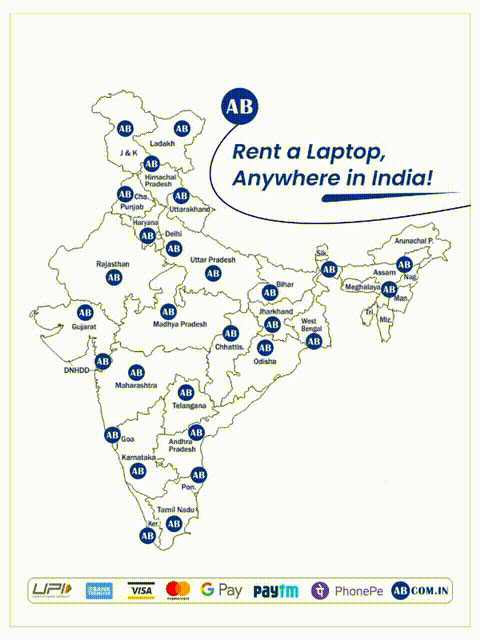
A Rental Laptop model works well for companies with remote or regionally spread employees. Devices reach employees directly, reducing coordination overhead. Replacement cycles remain smooth, which keeps downtime low.
Rental Laptop Access Without Ownership Stress
The Rental Laptop approach removes long-term asset anxiety. Devices stay functional, maintained, and aligned with current requirements. Employees feel supported, and IT teams spend less time managing aging systems.
Rental setups suit seasonal staffing and temporary expansions. They also help startups manage growth carefully without heavy upfront spending.
Cost Discipline Without Operational Rigidity
Hiring laptops supports financial discipline. Monthly costs stay visible. Planning feels controlled. Capital remains available for growth initiatives rather than being locked into depreciating assets.
This balance supports leadership decisions. Expansion feels less risky. Adjustments feel reversible. Teams move forward without hesitation.
IT Teams Gain Breathing Space
Internal IT teams often carry too much responsibility. Device procurement, maintenance, upgrades, and recovery all demand time. Hiring laptops reduces that load.
IT staff focus on security, systems, and support instead of chasing hardware inventories. That shift improves service quality and internal satisfaction.
Conclusion
Companies grow in waves, not straight lines. A laptop on lease strategy keeps technology aligned with that reality and removes friction during change. Teams stay productive, budgets remain predictable, and leadership gains clarity. With Hire Laptop models supporting onboarding and transitions, and Rental Laptop access simplifying remote operations, businesses stay ready for what comes next without locking themselves into rigid choices.